Few things derail a morning like a garage door problem, and homeowners across Puget Sound dealing with impact damage restoration know exactly how disruptive it is. Ballard Garage Door is a locally owned company based in Ballard, Seattle, serving Greater Seattle, the Eastside, South King County, Snohomish County, Pierce County, and the Kitsap Peninsula. We are licensed, insured, and staffed by technicians who do this work every single day.
Reach us at (253) 264-0988 or info@ballardgaragedoor.com, tell us what the door is doing, and we will tell you exactly what happens next.
The short version: yes, we handle impact damage restoration across the greater Seattle area, usually the same day you call. Ballard Garage Door is licensed, bonded, and insured in Washington State, prices by the job with a written quote up front, and runs trucks through the Seattle metro seven days a week. Call (253) 264-0988.
At a glance — same-day service: yes · emergency response: 24/7 · written quote before work: always · brands covered: all major manufacturers · service area: the Seattle metro and the greater Puget Sound region.
Impact Damage Restoration: what is involved
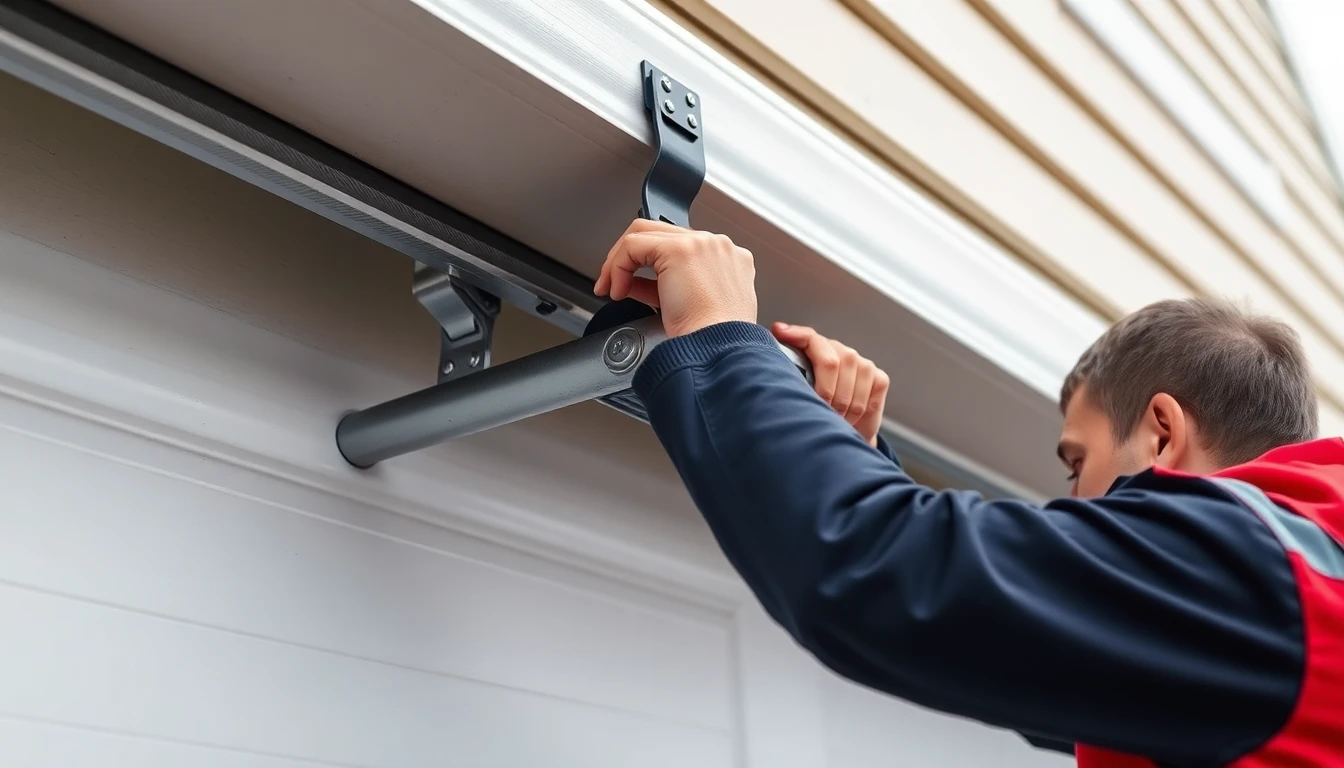
Full inspections after a vehicle or equipment strike. As part of our off-track garage door repair offering, this work is performed by the same senior technicians, with the same parts standards and the same written warranty. During the appointment we also inspect the hinges, vertical tracks, rollers, since these components age together and are cheapest to address in one visit.
Built for Northwest garages
From craftsman garages in Ballard and Fremont to new builds on the Sammamish Plateau and busy commercial bays in the Kent Valley, the Seattle metro contains every kind of garage door ever installed. Ballard Garage Door staffs technicians who have seen all of it, and our trucks carry springs, cables, rollers, sensors, and opener parts for the brands this region actually uses.
The Pacific Northwest climate shortens hardware life: rain corrodes springs, moss and grit foul tracks, and windstorms knock out power — and photo-eye alignment — more often than anywhere else we know. We build our recommendations around those realities, not around a national script.
When to call about impact damage restoration
Garage doors almost always warn you before they fail completely. Across the greater Seattle area, these are the signs we hear about most often when customers call about impact damage restoration:
None of these get better on their own. A door showing these signs is telling you a component is at the end of its life, and addressing it now is always cheaper than the emergency version of the same repair.
- A track is bent, dented, or pulling away from the wall
- Rollers have popped out of one or both tracks
- The door jammed partway and won't move either direction
- You hear scraping as the door drags against the frame
- The door was bumped by a car and no longer travels straight
- The door is visibly crooked or wedged at an angle
What to do right now, before we arrive
Before any tools come out, protect yourself and the door with these five steps:
- Stop using the door. Cycling a damaged door multiplies the damage and can be dangerous. Leave it in its current position — especially if it is crooked, off its tracks, or a spring has visibly failed.
- Keep people, pets, and vehicles clear. Treat the doorway as off-limits. Doors weigh 150 pounds or more, and hardware under tension can let go suddenly.
- Do not pull the red release cord with the door up. The emergency release disconnects the opener — and if the counterbalance is broken, nothing else is holding the door. Use it only with the door all the way down.
- Note the symptoms. What did you hear (a bang, grinding, clicking)? What does the door do when you press the button? Is anything visibly loose, slack, or crooked? These details let us arrive with the right parts.
- Call (253) 264-0988. A real person answers, walks you through anything that can be safely checked, and dispatches a stocked truck — usually the same day.
Why impact damage restoration fails — and why it fails here
Understanding why impact damage restoration becomes necessary helps you prevent the next failure. The most common driver is simple cycle fatigue: standard springs are rated for roughly 10,000 cycles, which at four cycles a day is less than seven years of normal use. Add the Northwest's damp air and the timeline compresses: we routinely see coastal and north-facing doors wear out hardware years ahead of schedule.
The other repeat offender is the original installation. Doors hung with economy rollers, loose track brackets, or springs chosen by guesswork run rough from day one and wear out everything they touch. That is why our repairs include a full-system check — fixing the part without fixing the cause just schedules the next breakdown.
How our impact damage restoration service works
We keep the process simple, transparent, and predictable from the first ring to the final safety test:
- Call and phone diagnosis. Describe what the door is doing and we will usually identify the likely failure before the truck rolls, so we arrive with the right parts for the Seattle metro on board.
- On-time arrival and full inspection. Your technician examines the complete system — springs, cables, rollers, hinges, tracks, drums, opener, and safety sensors — because single-part failures rarely travel alone.
- Approve the exact price first. We present what is wrong, what it costs to fix, and what can safely wait. You decide; we never start work on a number you have not seen.
- Expert repair, done that visit. Our trucks stock the springs, cables, rollers, seals, and opener parts that fit the doors common across the greater Seattle area, so the overwhelming majority of repairs finish in one appointment.
- Safety test and walkthrough. Before we leave, we balance-test the door, verify the opener's force and travel settings, confirm the photo eyes reverse the door properly, and show you everything we did.
Honest pricing, explained before we start
We publish our pricing philosophy because the garage door industry has earned its reputation for bait-and-switch — and we refuse to participate. What moves the number on impact damage restoration is simple: which components failed, the quality tier of replacement parts, door size and spring rating, and whether collateral damage (bent track, strained opener) needs correcting. You get the complete price in writing before work begins, we charge by the job rather than the hour, and the quote is the bill.
If you are comparing quotes across the greater Seattle area, ask every company the same question: is that the complete, installed, out-the-door price? Our quotes include parts, labor, hardware, and the safety inspection. The only surprise our customers report is how smooth the door runs afterward.
Same-day and emergency availability across the greater Seattle area
A door failure at 7 AM should not wait until next Tuesday. Ballard Garage Door runs trucks seven days a week with same-day appointments available across the greater Seattle area on most calls, and emergency response for situations that cannot wait — a vehicle trapped inside, a door stuck open overnight, a spring failure with the door half-down. Because our technicians are already working routes through the area, the truck that reaches you is close, stocked, and driven by someone who has fixed your exact problem hundreds of times.
What sets us apart
We win customers from big national brands every week. The reasons are not complicated:
- Licensed, bonded, and insured. Full Washington State credentials, with technicians who are employees, not day labor.
- Locally owned, Ballard-based. Decisions are made in Seattle, not a franchise office — and our reputation lives where we do.
- Same-day service on most calls. Trucks already routed through your area, stocked for one-visit repairs.
- Upfront, written pricing. The quote comes before the work, and the quote is the bill.
- All brands, all ages. From 1970s hardware to this year's smart openers, we repair what others only replace.
- 7-day availability. Weekends and evenings included, with true emergency response when it cannot wait.
Where we work
Ballard Garage Door serves Greater Seattle, the Eastside, South King County, Snohomish County, Pierce County, and the Kitsap Peninsula from our Ballard headquarters at 6309 24th Ave NW, Seattle, WA 98107. From Everett to Puyallup and Bainbridge Island to North Bend, if it is within an hour of Seattle, our trucks already pass through it.
Explore related services and areas
Looking for something more specific? These nearby pages cover the services and communities our customers ask about most:
A 60-second glossary
A little vocabulary makes every repair conversation clearer. The terms that matter most:
- R-value — the insulation rating of a door section. In the Puget Sound climate, insulated doors keep attached garages drier and quieter.
- Cycle rating — how many open/close cycles a spring is engineered to survive. High-cycle upgrades (25,000+) cost modestly more and last several times longer.
- Travel limits — the opener settings that tell the door where "fully open" and "fully closed" are. Drifted limits cause doors that stop short or slam.
- Extension springs — older-style springs that stretch along the horizontal tracks. Always installed in pairs, and always with safety cables through the coils.
- Photo eyes — the two small sensors near the floor on either side of the opening. If their invisible beam is broken or misaligned, the door refuses to close.
Get impact damage restoration across the greater Seattle area today
The next step takes two minutes. Dial (253) 264-0988 or email info@ballardgaragedoor.com, tell us what the door is doing, and we will handle the rest — diagnosis, straight pricing, and in most cases a same-day fix.
Frequently asked questions
Do you offer evening or weekend appointments?
Yes. We schedule seven days a week, open 7 days a week, 7:00 am – 9:00 pm — 24/7 emergency service available. Weekend calls do not carry a mysterious surcharge, and after-hours emergencies are quoted clearly before dispatch.
Do your repairs come with a warranty?
Every one. Parts carry manufacturer warranties — longer on high-cycle springs and premium components — and our labor is guaranteed in writing on top. If something we touched is not right, we return and make it right.
Can you make my garage door work with my phone?
Yes — via the manufacturer's smart kit on compatible openers, or a universal smart controller on most others. If you are replacing the opener anyway, built-in Wi-Fi control is now standard on the models we install.
Do you service my brand of door or opener?
Yes — our techs train across every major brand sold in the Northwest, and our trucks stock cross-compatible parts for openers and doors dating back decades.
How fast can you get to my home across the greater Seattle area?
In most cases, same day. Our trucks run routes through the Seattle metro seven days a week, and emergencies — a trapped car, a door stuck open — jump the queue. Call (253) 264-0988 and the dispatcher will give you a real arrival window, not a four-hour shrug.
When does replacing an opener make more sense than repairing it?
Age and safety are the tests. Pre-1993 units without photo eyes should be retired regardless of condition, and once a logic board or motor fails on a 15-year-old opener, a quiet modern belt drive is usually the smarter spend.
Are you licensed and insured in Washington?
Fully. We carry Washington State licensing, bonding, and insurance, and we are happy to provide proof before work begins.
How long does a typical repair take?
Most common repairs — springs, cables, rollers, sensors, opener gears — take one to two hours once the technician arrives, because our trucks carry the parts. Full door or opener installations typically run half a day. You get a time estimate with your quote.
Will you match the parts to my existing door?
Always. Correct spring wire size, cable gauge, roller type, and panel profile are what make a repair last — and it is why we measure and weigh rather than guess.
The power is out and my door won't open — what do I do?
With the door fully CLOSED, pull the red emergency release cord straight down; the door can then be lifted by hand. If it feels extremely heavy, stop — that indicates a spring problem, not just a power outage. When power returns, most openers re-engage automatically on the next cycle.